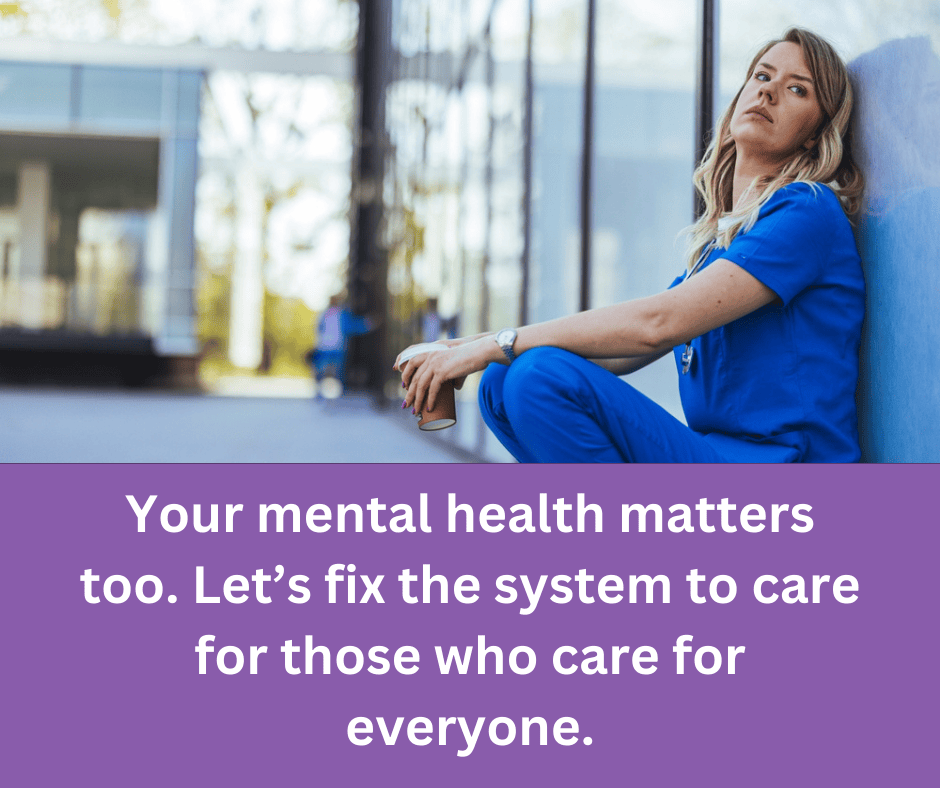
A recent report from the University of Surrey, supported by the University of Exeter and funded by the National Institute for Health and Care Research, has called for a “system-wide overhaul” of the NHS to address the growing mental health crisis among healthcare workers. The research highlights the urgent need to prioritise staff wellbeing for the benefit of both workers and the quality of patient care.
The mental health challenges facing Nurses, Midwives, and Paramedics
The report, led by Professors Jill Maben and Cath Taylor, sheds light on the challenges faced by key frontline professionals: nurses, midwives, and paramedics. These groups are disproportionately impacted by psychological ill-health, with major contributing factors including:
- A “blame culture” that intensifies stress, particularly when staff are under investigation or involved in complaints processes.
- A “serve and sacrifice” culture, where healthcare professionals prioritise their patients’ needs at the expense of their own wellbeing.
- Moral distress and emotional exhaustion, stemming from a conflict between their professional values and the difficult realities of clinical practice.
- Inadequate work-life balance, which negatively affects recruitment and retention rates.
Gaps in support systems
The research also exposed a “fragmented” system of mental health interventions, with many support measures appearing informal, disjointed, and created to “plug gaps” in the formal offering. Both formal and informal approaches tend to focus on individuals rather than addressing the systemic issues contributing to stress and burnout.
Recommendations to prioritise staff wellbeing
The researchers made a series of clear recommendations to better support NHS workers, including:
- Prioritising staff wellbeing by ensuring access to essentials like food, drink, break rooms, parking, and financial security.
- Enhancing psychological safety, giving it equal importance to physical safety in the workplace.
- Developing compassionate leadership that fosters open communication, learning, and a culture of care.
- Recognising stress and burnout as common challenges and addressing them with comprehensive, joined-up interventions.
The importance of change
Professor Jill Maben emphasised the impact these recommendations could have on the NHS workforce and patient care: “By addressing these systemic issues, the NHS will not only improve the psychological health of its workforce, but will also enhance the quality of patient care and reduce costs associated with turnover and absenteeism.”
The research team has also created a guide for healthcare leaders and staff to implement these recommendations and drive meaningful change.
How Care at Home can help
We understand the vital role of healthcare professionals and the challenges they face daily. We are committed to providing practical support that complements your efforts to deliver exceptional care:
- Home Environment Assessments: Our team ensures home settings are fully adapted to meet patients’ needs, reducing pressure on frontline staff.
- Coordinated Care Services: We work closely with healthcare professionals to create cohesive, integrated care plans tailored to each patient.
- Personalised Care Packages: Our flexible care plans adapt to evolving patient needs, ensuring the right level of care at the right time.
- Family Support: By educating families and managing expectations, we ease transitions and reduce stress for all involved.
We believe that supporting healthcare workers is essential to achieving the best outcomes for patients. Whether through collaboration or direct support, Care at Home is here to help you and your patients every step of the way.
If you would like to learn more about how we can assist, please contact us.