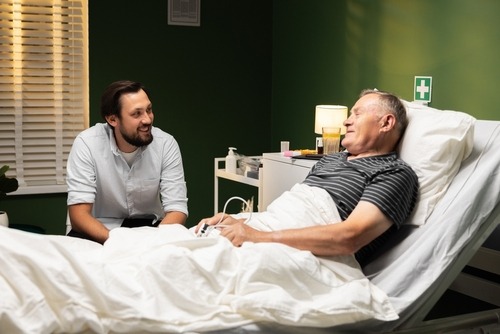
Catching a problem early almost always leads to a better outcome. In-home care, that’s not just good practice. It can be life-changing.
Most people don’t think about home care until a crisis hits. A fall. A hospital stay. A sudden decline that nobody saw coming.
But here’s the truth so many of those moments are preventable. And the key is getting the right support in place before things reach that point.
That’s what early intervention in home care is all about. And it’s something we’re passionate about at Care at Home Midlands, supporting families across Glenfield, Groby, Ratby, Coalville, Melton Mowbray, Leicester Forest East, Stoney Stanton and more.
What Is Early Intervention in Home Care?
Early intervention means identifying signs of declining health, mobility, or independence and acting on them quickly, before they become a serious issue.
It’s not about waiting until someone can’t cope. It’s about asking ‘how are you really doing?’ early and often.
The best time to put support in place is before someone needs it urgently not after.
A timely assessment by a qualified care professional can spot things that families and even GPs sometimes miss. Small changes in how someone moves, eats, manages their medication, or keeps their home can all be early warning signs.
Why Does Early Assessment Matter So Much?
The evidence is clear. Early intervention leads to significantly better outcomes for older adults and those living with long-term conditions.
- NHS England data shows that early, community-based support reduces hospital admissions by up to 30%
- People who receive timely home care assessments are more likely to maintain independence for longer
- Early support reduces carer stress and the risk of carer burnout a serious issue for families across Leicestershire
- Identifying needs early is significantly more cost-effective than crisis-driven care
For families in areas like Melton Mowbray or Coalville where distances to hospital and specialist services can be greater early intervention at home is even more critical.
What Does a Good Home Care Assessment Look Like?
A thorough assessment isn’t just a checklist. It’s a conversation. It’s about understanding the whole person their health, their home, their daily routine, and what matters most to them.
At Care at Home Midlands, our assessments cover:
- Physical health and mobility: Including fall risk and medication management
- Cognitive wellbeing: Looking for early signs of memory loss or confusion
- Emotional and social health: Isolation is one of the biggest risks for older adults
- Home environment: Is it safe? Are there hazards that could be easily addressed?
- Family and carer situation: Who else is involved, and how are they coping?
We carry out assessments across our service areas from Leicester Forest East and Stoney Stanton to Ratby and Groby and we always take the time to listen, not just observe.
The Warning Signs Families Often Miss
Sometimes the signs are subtle. Here’s what to look out for:
- Unexplained weight loss or a fridge that’s always empty
- Increased confusion or forgetting familiar things
- Withdrawal from hobbies or social activities they used to enjoy
- Difficulty managing bills, post, or appointments
- Signs of loneliness or low mood especially in more rural areas like Stoney Stanton or around Melton Mowbray
- Unexplained bruising or evidence of recent falls
If you’re noticing any of these in a parent or loved one, it’s worth getting an assessment sooner rather than later. You don’t need to wait for a crisis.
Frequently Asked Questions
How do I arrange a home care assessment in Leicestershire?
You can contact your local authority, Leicestershire County Council to request a needs assessment through adult social care. You can also contact a private home care provider like Care at Home Midlands directly for a more flexible and faster assessment.
Is early intervention home care available for younger adults too?
Absolutely. Early intervention isn’t just for older people. We support adults of all ages living with disabilities, long-term conditions, or mental health needs across the Hinckley & Bosworth and Melton borough areas.
What if my loved one doesn’t want help?
This is really common. Starting with a light-touch, friendly assessment rather than a formal care package often feels less daunting. We’re experienced at building trust gently, at the person’s own pace.
Early support changes outcomes. It keeps people at home longer, reduces hospital admissions, and gives families peace of mind.
If you’re concerned about someone in Glenfield, Coalville, Groby, Leicester Forest East, Ratby, Melton Mowbray, or Stoney Stanton, don’t wait. A conversation costs nothing, and it could make all the difference.
Get in touch:careathomemidlands.co.uk